
Regular dental cleanings are one of the simplest and most effective ways to maintain a healthy smile. Yet many people wonder exactly how often they should schedule these visits. While twice a year is the well-known standard, the ideal dental cleaning frequency isn’t the same for everyone. Your oral health history, habits, and risk factors all play a role in determining how often you should visit Dr. Todd Blevins for a professional cleaning in Mullins, SC.
The Standard Recommendation
For most people, dental professionals recommend a cleaning every six months. This schedule is typically enough to prevent plaque buildup from turning into more serious issues such as gum disease, cavities, or tartar that can no longer be removed at home.
Even if your teeth feel clean and you brush and floss daily, plaque can accumulate in areas that are hard to reach. A routine cleaning ensures those hidden spots are addressed before problems begin.
Six-month visits also allow your dentist to spot the earliest signs of decay, gum inflammation, or enamel damage. Detecting these issues early can save you from more extensive procedures and costlier treatments later on. It is a preventative approach that benefits nearly every patient.
So when you ask how often you need a dental cleaning, the standard answer is every six months. But that is not the whole story.
When You May Need More Frequent Cleanings
Some patients require cleanings more often than the standard twice a year. If you have a higher risk of dental issues, Dr. Blevins may recommend appointments every three to four months.
Patients with gum disease typically need deeper and more frequent cleanings to control inflammation and prevent the condition from progressing. Deep gum cleanings can treat gum disease and keep it under control.
Other factors that may lead to more frequent cleanings include:
- A history of frequent cavities
- Orthodontic appliances like braces
- Dry mouth
- Smoking and tobacco use
- Diabetes, which makes oral tissues more susceptible to infection
More frequent cleanings are also beneficial if you are experiencing ongoing issues such as heavy plaque buildup, bad breath that does not go away with routine hygiene, or bleeding gums. These visits help keep harmful bacteria under control while giving your dentist a closer look at how your mouth is responding to treatment or lifestyle changes.
The Role of Your At-Home Habits
Your oral hygiene at home contributes greatly to how often you need professional cleanings. Those who brush thoroughly twice a day, floss daily, and use additional aids like mouthwash often maintain cleaner teeth between visits.
However, even the best brushing habits cannot replace the tools and techniques used during a professional cleaning. Dental hygienists use specialized instruments to remove plaque and tartar from areas your toothbrush cannot reach. They also polish your teeth and apply fluoride treatments for extra protection.
At-home care and professional cleanings work together to maintain your oral health. Good habits can help you stick to the standard six-month schedule. Less consistent care may mean more frequent visits are needed to prevent problems.
When you visit a dentist Mullins SC residents recommend, you will receive personalized advice on improving your daily routine.
Why Regular Cleanings Matter
Dental cleanings do more than polish your teeth. Each visit plays an important role in protecting your oral and overall health.
- Removes tartar. Professional cleanings remove hardened tartar that brushing alone cannot eliminate. Tartar buildup can lead to gum disease and tooth decay.
- Prevents cavities. Cleanings clear away bacteria that attack enamel. This reduces your risk of developing cavities.
- Detects problems early. Your dentist or hygienist will examine your mouth for early signs of oral cancer, infections, and systemic issues. These issues may appear in the mouth before they show up elsewhere in the body. Early warnings can be essential for timely treatment.
- Protects your overall health. Research has linked gum disease to heart disease, diabetes, and other serious conditions. Keeping your gums healthy supports your whole body.
What Happens During a Dental Cleaning?
If you are wondering how often you need a dental cleaning, you may also wonder what happens during the visit. Here is a quick overview.
- Health review. Your hygienist will ask about any changes in your health or medications.
- Scaling. The hygienist uses special tools to remove plaque and tartar from your teeth and gums.
- Polishing. A gritty toothpaste is used to polish your teeth and remove surface stains.
- Flossing. Your hygienist flosses between your teeth to remove any remaining debris.
- Fluoride treatment. A fluoride rinse or gel may be applied to strengthen your enamel.
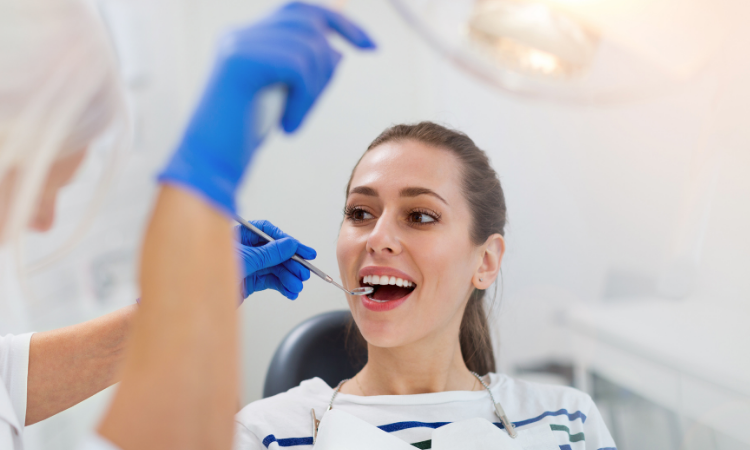
- Exam. Dr. Blevins examines your mouth and reviews your X-rays if they are due.
The whole process is simple and comfortable.
Schedule Your Dental Cleaning Today
If it has been more than six months since your last dental cleaning, your oral health could be at risk.
Call Blevins Dentistry at (843) 627-2406. You can also visit us in Mullins, SC. Take a proactive approach to your dental care. Your smile will thank you. Contact our office today to schedule your next appointment and take a proactive approach to your dental care.